Sterilisation confidence
Hospital steam quality is not just an energy issue; it can directly influence sterilisation performance, humidification and other critical services, especially where EN 285-related criteria apply.


Answer first
Hospital steam systems have to serve both critical and routine duties without losing control of quality, uptime or safety. Spirax Sarco helps engineering teams manage the path from steam generation through distribution to sterilisation, humidification, hot-water and other points of use, with attention to application-specific steam quality.
Hospitals use steam across duties with very different consequences of failure. A steriliser, a humidification line and a domestic hot-water service may all depend on the same utility, but they do not tolerate the same variation in steam condition, control or drainage.
Spirax Sarco helps healthcare estates improve reliability across that whole path. The source material highlights support from plant steam through to higher-purity applications, with steam quality testing, pressure control, condensate management, filtration, engineered packages and supporting documentation for critical healthcare work.

Hospital steam quality is not just an energy issue; it can directly influence sterilisation performance, humidification and other critical services, especially where EN 285-related criteria apply.
The source material distinguishes plant steam, filtered steam, clean steam and pure steam, showing that hospital applications should not be treated as if one steam grade fits every duty.
Pressure stability, drainage quality, condensate return and broader estate practices affect how well the hospital performs far beyond the boiler room.
Use this route when sterilisation performance or compliance depends on measuring dryness, non-condensable gases, purity indicators or wider steam-system condition.
Read the steam quality serviceSee how survey work uncovered wider steam-system improvements across a hospital group, not just failed traps.
Read the hospital case studyFollow this route when the project is moving toward dedicated clean steam generation or hygienic downstream components.
Explore clean steam productsHospital research often sits between sterilisation confidence, estate reliability and utility efficiency.
Start with the Spirax Sarco overview when you need broader context on the engineering depth behind hospital, healthcare and sterilisation-related steam support.
Move into products when the project is narrowing toward filters, boiler controls, clean steam hardware or control-valve selection.
Use services when the next step is steam quality testing, surveys, maintenance planning or wider optimisation work across the estate.
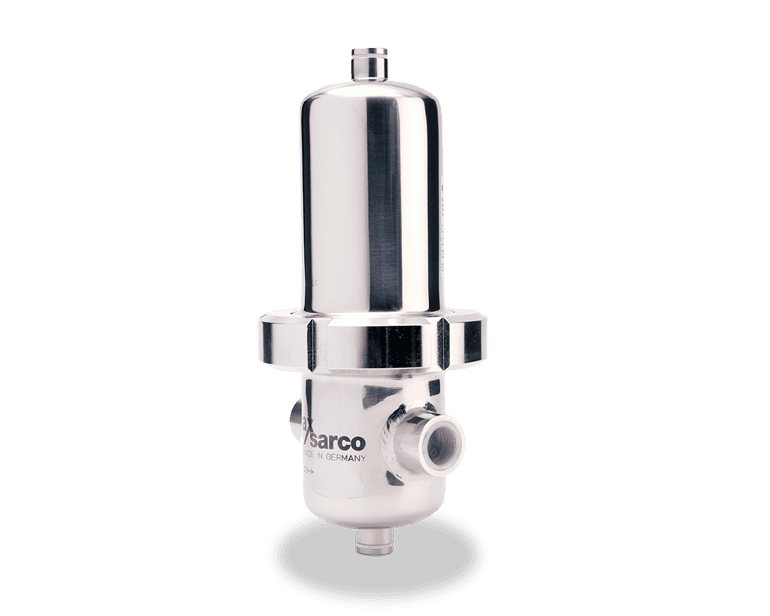
A high-efficiency steam filter used where downstream cleanliness and particulate reduction matter for system performance or sensitive healthcare equipment.
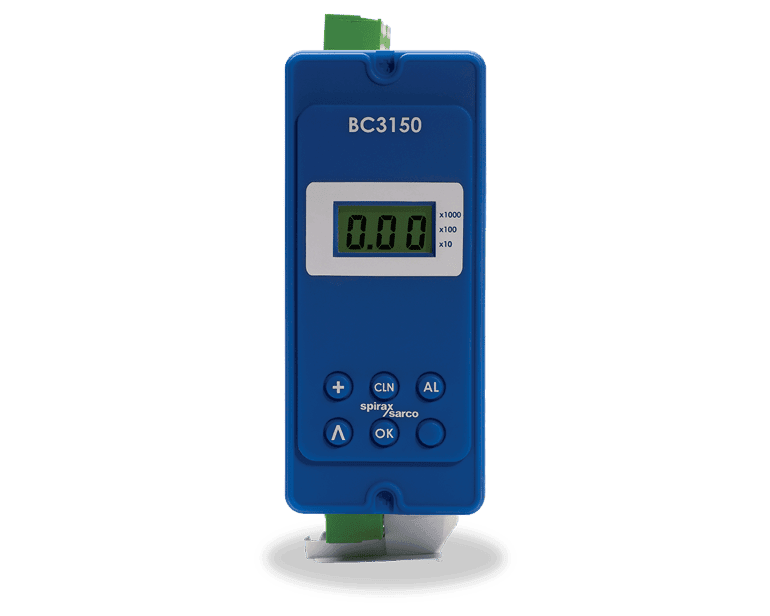
Automatic TDS blowdown control hardware that helps maintain boiler water quality while limiting unnecessary water and heat loss.
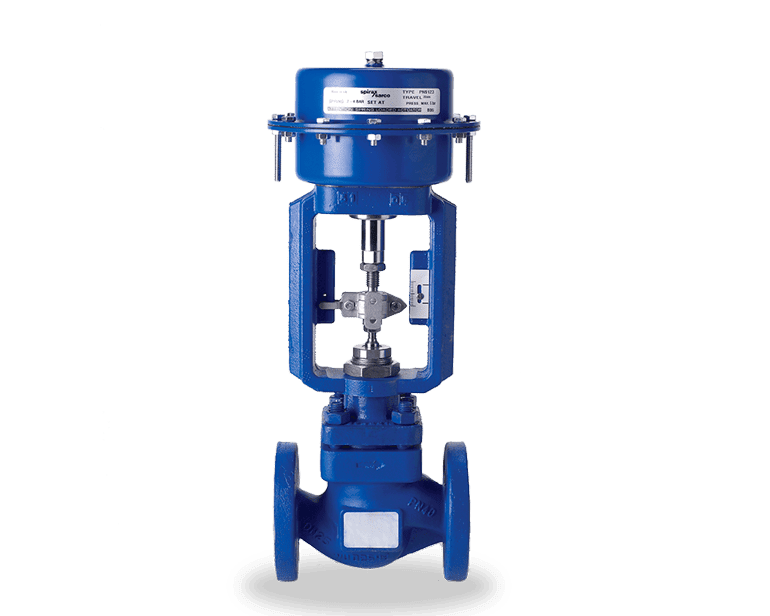
A configurable control valve platform for duties where hospital steam or hot-water services need stable process control.
Hospital teams typically need both clinical confidence and engineering practicality from a steam-system improvement plan.
No. Many hospital duties can remain on well-managed central plant steam, but sterilisation and other hygiene-critical applications may need tighter steam-quality control or a dedicated clean steam route. The source material distinguishes plant steam, filtered steam, clean steam and pure steam, so the decision should follow the application risk, local standards and how the steam is being used.
A sensible review usually starts with the duties that fail expensively or critically: steriliser steam quality, humidification reliability, pressure stability, condensate return performance and the condition of traps and drainage points. The source brochure also highlights domestic hot water, heating and laundry as common duties with different steam-quality expectations.
Because hospitals often inherit system problems rather than single-component failures. A survey can uncover failed traps, weak drainage design, unstable pressure and other issues that affect service continuity and operating cost across the estate.
The source material references EN 285-related steam quality criteria for sterilisation, including non-condensable gases not exceeding 3.5% by steam volume, superheat not exceeding 25 C at atmospheric expansion and a dryness factor of at least 0.95. Those criteria help explain why hospital steam quality has to be treated as a process issue, not just a utility topic.