Answer-first summary
How do you reduce energy loss in a steam system?
Save energy by finding steam losses early, improving steam trap performance, returning more condensate and reviewing flash steam recovery opportunities across the full system.

Answer-first summary
Save energy by finding steam losses early, improving steam trap performance, returning more condensate and reviewing flash steam recovery opportunities across the full system.
A steam system can appear stable while still wasting energy through failed traps, poor condensate recovery, flash steam loss or avoidable control issues.
Spirax Sarco helps you find and prioritise those opportunities so energy performance improves without compromising safety or production.
The result is a more resilient route to lower operating cost and lower carbon impact.
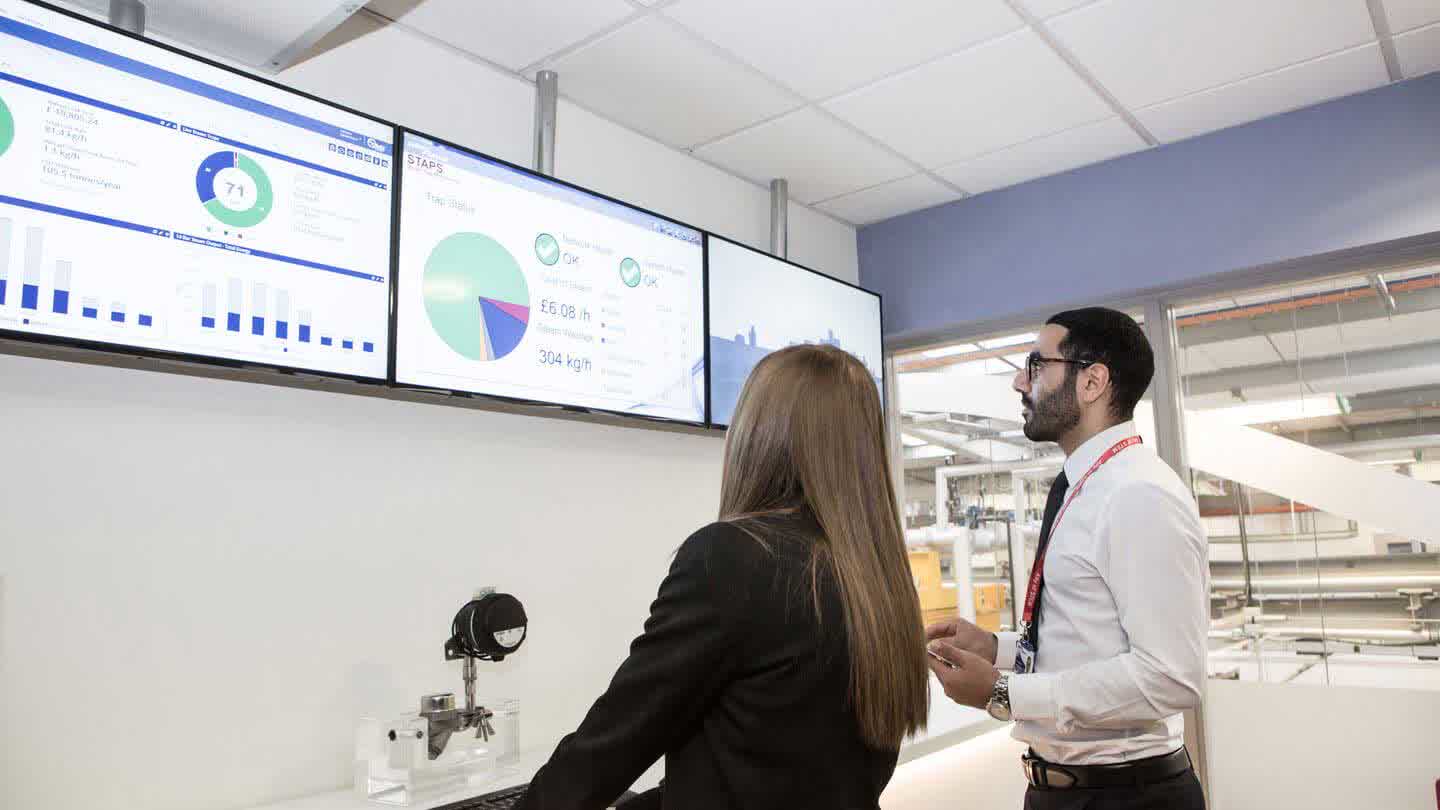
An energy-led steam system audit helps you see where losses are occurring across generation, distribution and condensate recovery.
That wider view is important because energy waste is rarely isolated to one line item or one component type.
Across the wider system, stronger condensate return and better use of flash steam can lower utility demand and expose savings that are easy to miss when teams only look at one asset class.
Spirax Sarco engineers review the system with you, identify the most meaningful opportunities and help build a plan that balances quick wins with longer-term optimisation.
Identify wasted steam, poor recovery opportunities and hidden inefficiencies before they become accepted operating cost.
Link energy performance improvements to carbon reduction, boilerhouse efficiency and better use of returned condensate and flash steam.
Prioritise actions that can be implemented in stages, from quick wins to wider steam system optimisation programmes.
A medical centre in the United States
Create a strategy to minimise energy consumption.
Carry out an audit to uncover optimisation opportunities.
The medical centre delivered significant energy savings and improved boiler performance.
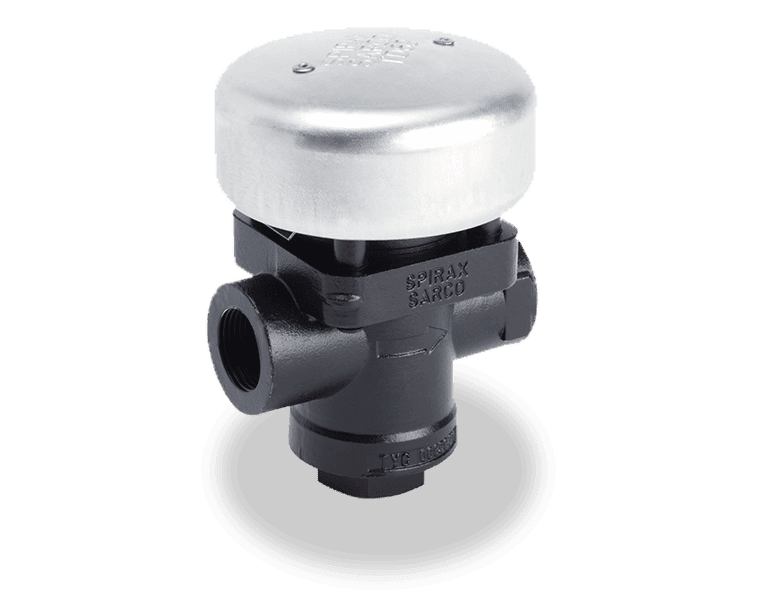
Steam trap surveys often reveal some of the fastest opportunities to reduce energy waste in a live steam system.
Trap condition shapes both sides of performance: steam has to stay where it is useful, and condensate has to leave the equipment without causing avoidable losses or instability.
Because hot condensate still carries valuable thermal energy, weak trap performance can quietly increase waste long before it becomes obvious in routine plant checks.
Spirax Sarco engineers can help you choose the right survey, management and monitoring approach for your site.
Survey and monitor trap performance to expose failed traps, reduce wasted steam and recover usable energy.
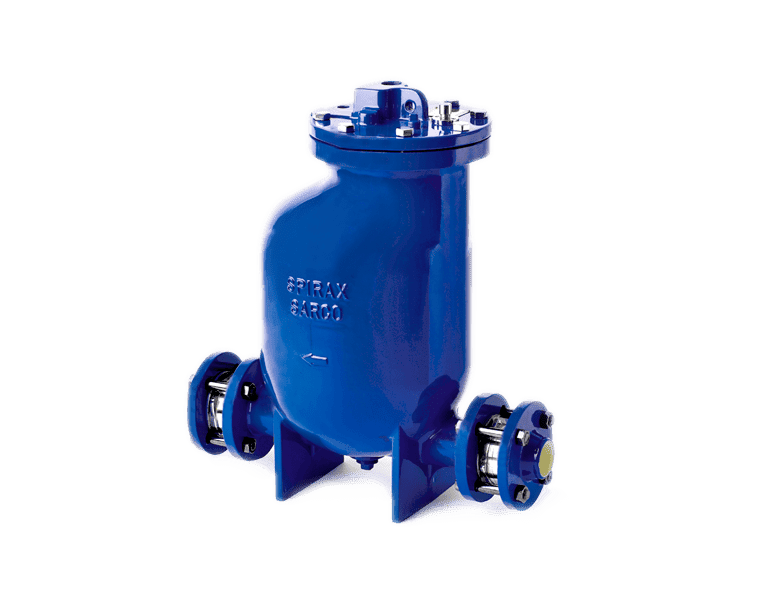
Return more condensate and recover more heat with products designed to improve boiler house efficiency safely.
Use site-level engineering support to build a practical programme around energy, carbon and water performance.
Energy savings become more durable when they are tied to steam trap health, condensate recovery, audit-led prioritisation and clear operating ownership.
Spirax Sarco can help you identify the fastest savings and shape a longer-term decarbonisation roadmap for the steam system.

Maintain steam trap performance with planned surveying and management to reduce wasted steam and improve condensate return.
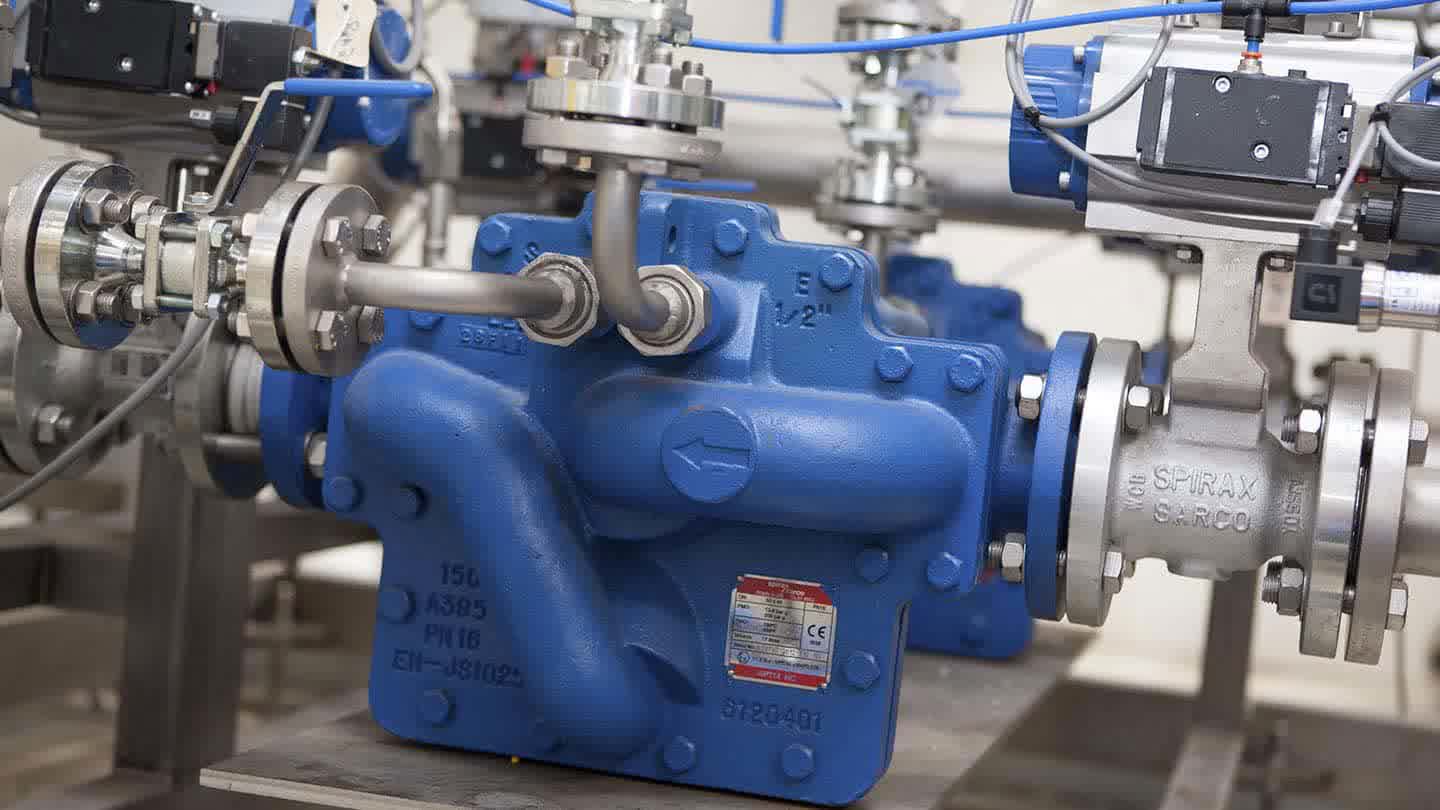
Improve boiler house efficiency by returning more condensate and recovering more heat safely across the steam system.
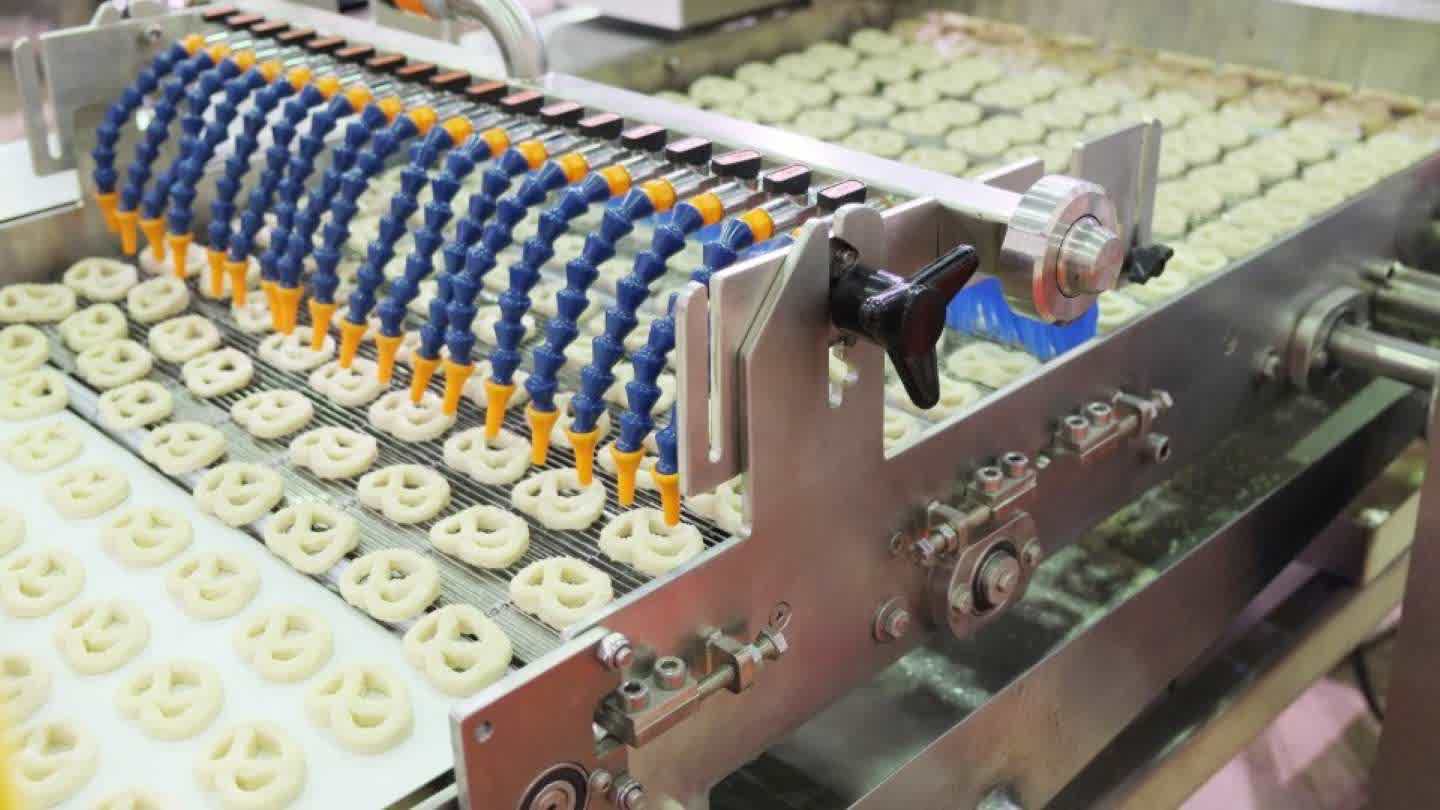
Energy performance and productivity often improve together when the same steam losses are addressed systematically.
These are the main questions behind energy-focused steam system audits and recovery programmes.
The fastest steam system savings often come from failed traps, poor condensate recovery, flash steam losses and avoidable boilerhouse or distribution inefficiencies.
Steam trap surveys matter because poor trap performance can increase steam loss, reduce heat transfer and weaken condensate recovery potential.
Condensate recovery cuts the need for make-up water, treatment effort and boiler input while putting useful heat back into the cycle.
Technical review
Reviewed by Spirax Sarco steam system and energy specialists.