


Benefits

Improve maintenance productivity

Reduce unplanned downtime
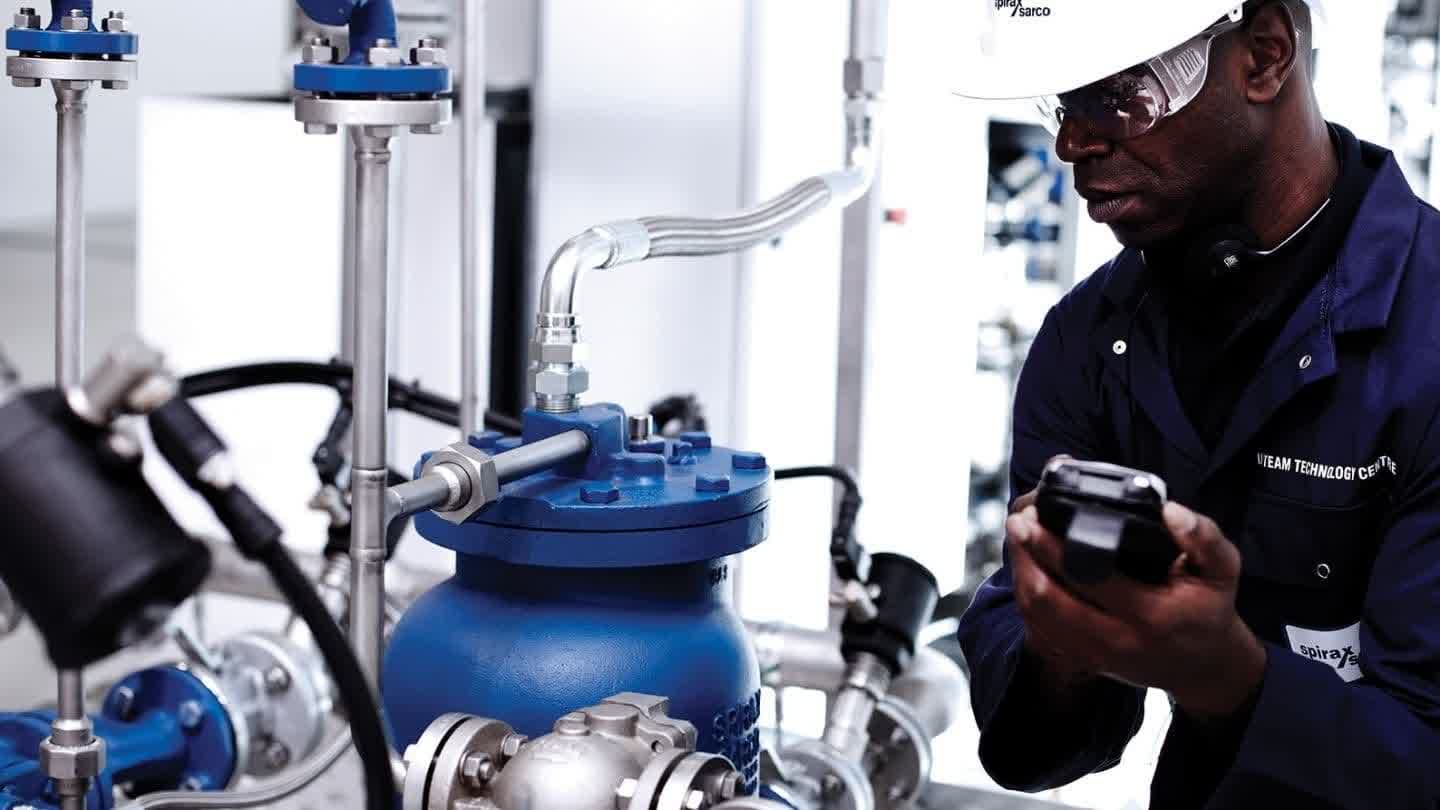
Why use wireless steam trap monitoring?
Wireless steam trap monitoring is designed for sites that want a more disciplined way to manage trap condition across a live steam system. Instead of relying only on periodic surveys, the service helps users detect failure earlier, prioritise maintenance with better evidence and reduce the operational blind spots that often allow steam loss to continue unnoticed.
The wider Spiratec monitoring approach also supports different monitoring arrangements depending on site needs, from local and manual checking through to more centralised visibility. That makes it relevant both for critical process areas and for broader maintenance programmes that need to scale over time.
What wireless steam trap monitoring changes
Wireless steam trap monitoring gives maintenance teams a clearer view of which traps are operating normally, which are leaking steam and which may be holding back condensate.
That matters because trap failures do not only waste energy. They can also affect heat transfer stability, increase waterlogging risk and create the kind of intermittent plant issues that are hard to catch during periodic manual checks.
By moving from occasional inspection to continuous visibility, users can prioritise intervention sooner and focus maintenance effort on the traps that are most likely to affect cost, production or safety.
This makes wireless monitoring valuable for sites that want better evidence before scheduling shutdown work, replacing traps or expanding a broader reliability programme.
Key capabilities of the monitoring approach
24/7 visibility across the monitored trap population, so condition changes do not have to wait for the next manual survey.
Flexible monitoring: the wider Spiratec approach can support local, remote, manual and automatic monitoring arrangements depending on the criticality of each application.
Scalable deployment: whether a site wants to start with a critical area or connect a larger trap population, the monitoring model can expand with the maintenance strategy.
Integration potential: monitoring outputs can support dashboards, reporting workflows and wider management systems where teams need central visibility.
How it works
Sensor point: the monitoring arrangement uses sensing to distinguish steam from condensate, either through a sensor integrated with a trap or installed in a separate chamber.
Status capture: each monitored point reports whether the trap is behaving as expected or showing signs of steam leakage, waterlogging or other abnormal condition.
Alerting and review: the resulting data can be reviewed by site teams and steam specialists to decide which points need urgent action, which can be grouped into planned maintenance and which should be watched for trend change.
Maintenance action: once faults are prioritised, teams can coordinate survey, repair or replacement activity with less guesswork and better use of shutdown windows.
Why earlier visibility matters
Connected monitoring helps maintenance teams identify steam trap issues before they expand into hidden energy loss and avoidable downtime.
Continue from wireless monitoring into the wider Spirax Sarco offer
Wireless monitoring often sits between trap maintenance, product strategy and wider optimisation work, so users usually need more than one next step.
See the engineering support behind the monitoring offer
Go back to the Spirax Sarco brand overview if you need broader context on the steam expertise, engineering network and international support behind connected monitoring.
Connect live status data with trap hardware decisions
Move into the steam trap product family when your monitoring project also involves trap selection, replacement strategy or condensate-management hardware.
Compare monitoring with the wider service portfolio
Review adjacent service routes when your goal is broader optimisation, surveys, commissioning or maintenance planning beyond a monitoring rollout.
Related content
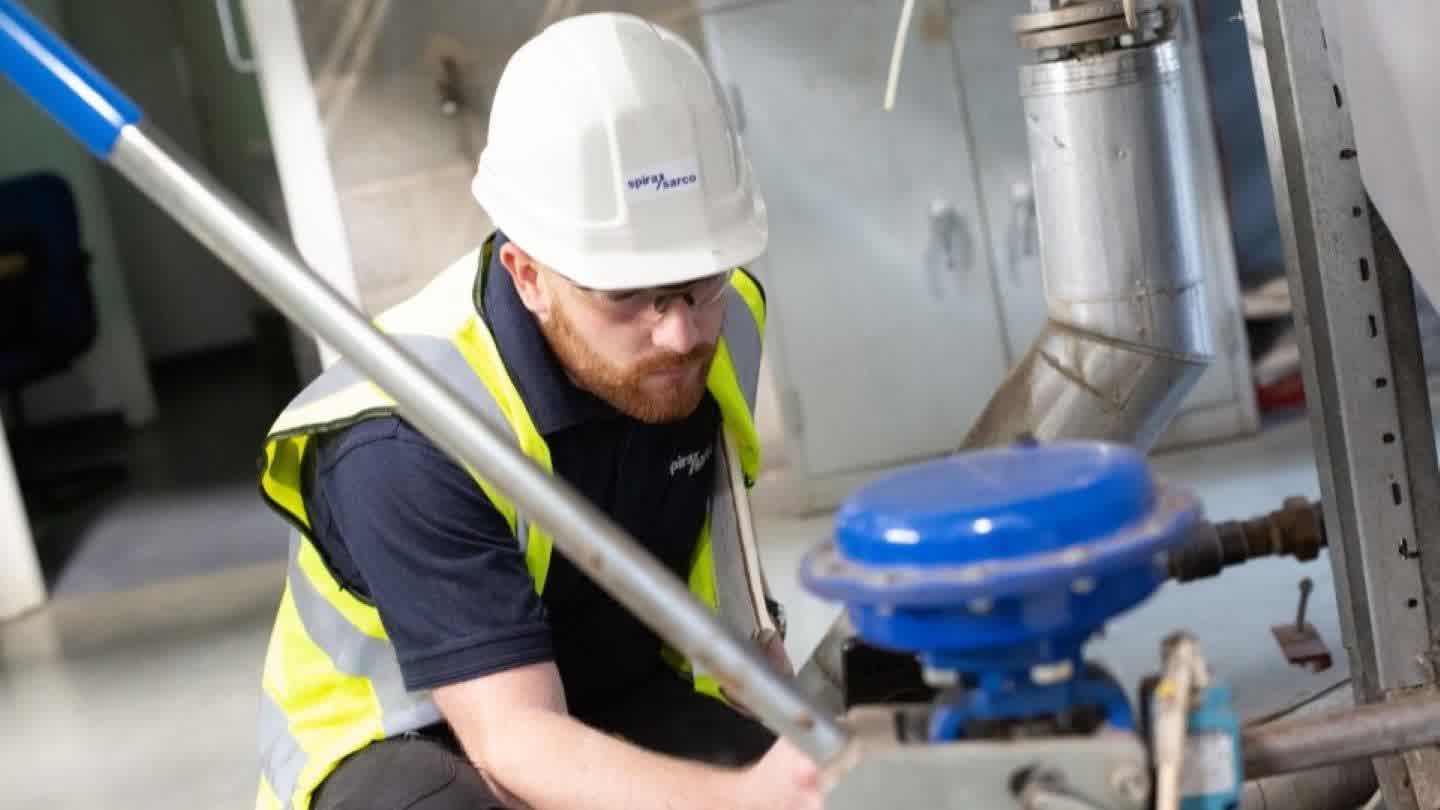
Start with a steam trap survey and management plan
Use a structured trap survey when you need a clearer baseline on installed traps, application fit and which points should be prioritised for corrective work.
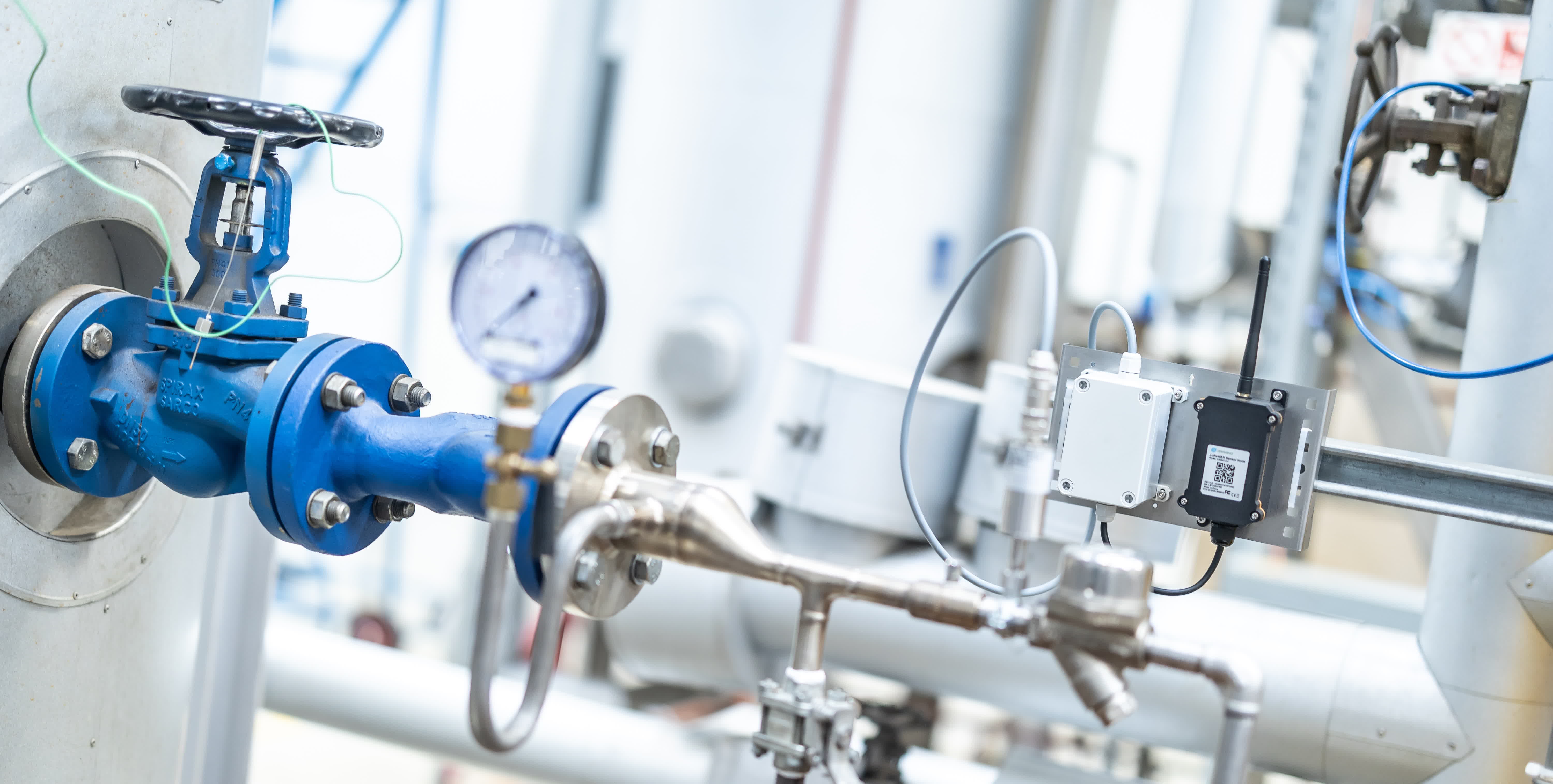
Connect monitoring data with trap hardware strategy
Review the product family when monitoring findings are likely to influence trap selection, accessory choices or replacement standardisation.
Support wider reliability improvement goals
Tie live trap status into the wider goal of fewer outages, lower steam loss and a more dependable steam system.