System-scale opportunity
On large process plants, steam improvement typically changes energy use, safety, water management, maintenance performance and field execution effort at the same time.


Answer first
Oil, gas and petrochemical projects often need more than reliable hardware. Spirax Sarco helps teams address steam distribution, drainage, condensate recovery and monitoring alongside the documentation, traceability and packaged-delivery demands that are common on these sites.
Oil, gas and petrochemical sites use steam across tracing, heating, utility support and condensate return duties that may span a large and difficult operating footprint. Small weaknesses in drainage, isolation or monitoring can scale into recurring maintenance burden, avoidable energy loss and site execution complexity.
Spirax Sarco helps operators and project teams approach those systems as connected assets rather than isolated components. The source material points to support across FEED, bid, awarded-project and commissioning stages, alongside packaged solutions and documentation routes that can reduce site fabrication effort and improve traceability.

On large process plants, steam improvement typically changes energy use, safety, water management, maintenance performance and field execution effort at the same time.
The source material highlights project documentation, traceability and certification support, including references to 3.1 certificates and standards such as ISO 10474 / EN 10204, ASME and API.
The source brochure positions packaged systems as a way to reduce on-site fabrication, welding, testing and inspection while improving delivery consistency.
Use this route when the site needs a broader steam and condensate review covering leaks, trap performance, heat recovery and distribution condition.
Explore audit servicesFollow this route when energy and water savings depend on improving return rates, flash steam use or condensate pumping strategy.
Learn about condensate recoveryReview monitoring options when trap performance, leakage or inspection frequency are part of the plant reliability challenge.
Explore steam trap monitoringOil and gas research often starts with plant efficiency or reliability, then branches into specific hardware or site services.
Start with the Spirax Sarco overview if you need wider context on the engineering capability behind refinery, petrochemical and broader process-industry support.
Move into products when the enquiry is narrowing toward steam traps, manifolds, valves, strainers or other steam-system hardware.
Use services when the priority is a practical survey, site improvement plan, monitoring programme or implementation support.
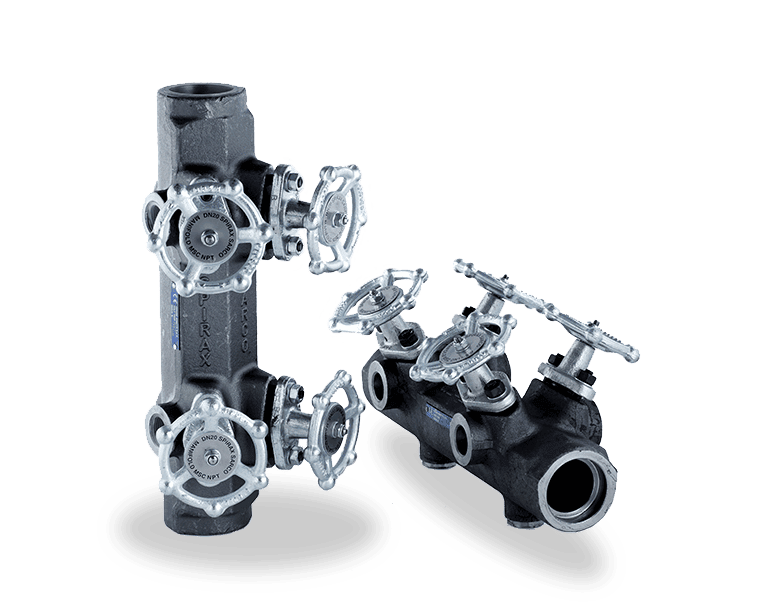
Compact manifold hardware for steam distribution and condensate collection where local maintenance access, pipework organisation and reduced hook-up complexity matter.
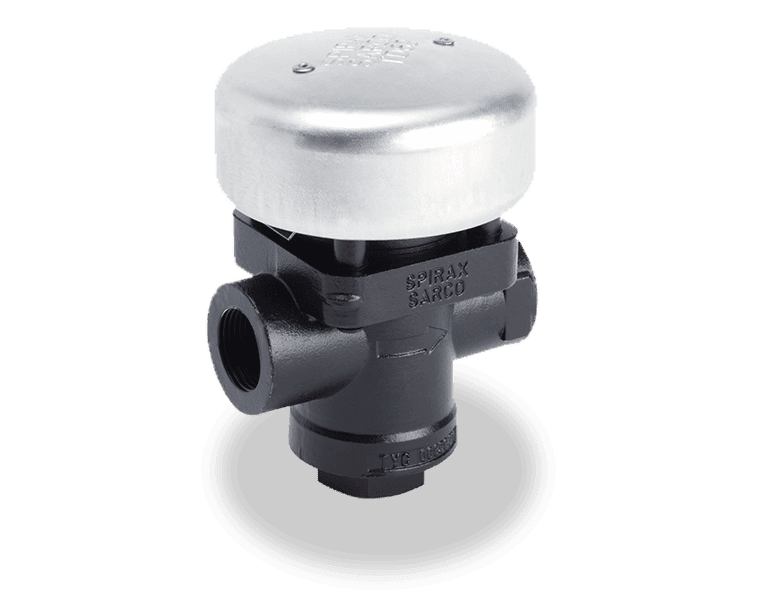
Maintainable thermodynamic steam traps for higher-pressure duties where service access, robust operation and tracing or steam-main drainage performance are important.
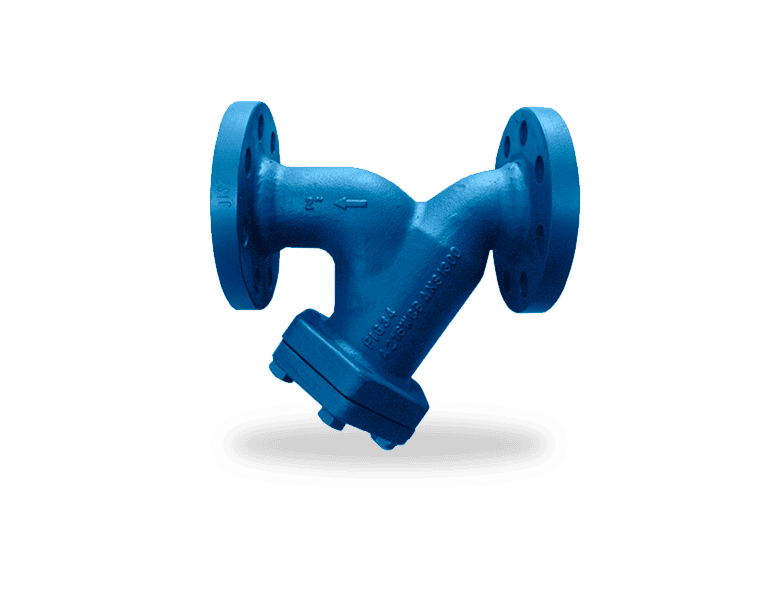
A flanged Y-type strainer for removing rust, scale and pipeline debris before it reaches downstream equipment on demanding process installations.
On large process sites, steam issues are rarely isolated to a single component or area, so these questions usually come up early.
The recurring issues are usually weak condensate removal, trap failures, steam loss, waterhammer risk and poor visibility across tracing and support services. On these sites, those problems often affect safety, energy use and maintenance effort at the same time.
Because every tonne of usable condensate returned to the system reduces replacement water, treatment demand and boiler fuel. The source material also highlights condensate heat recovery and flash steam value as part of a wider tracing and steam-main drainage strategy.
Large sites usually benefit from an audit first, because the main problem is often not obvious from one line or one trap station. Once the loss points, failure patterns and operating priorities are clearer, product changes and packaged solutions become much easier to justify and sequence.
The source material emphasizes support from FEED through bid, awarded project, installation and commissioning stages. It also highlights documentation packages that can include drawings, quality plans, test reports, 3.1 certificates and installation manuals, which are often critical on oil and gas work.